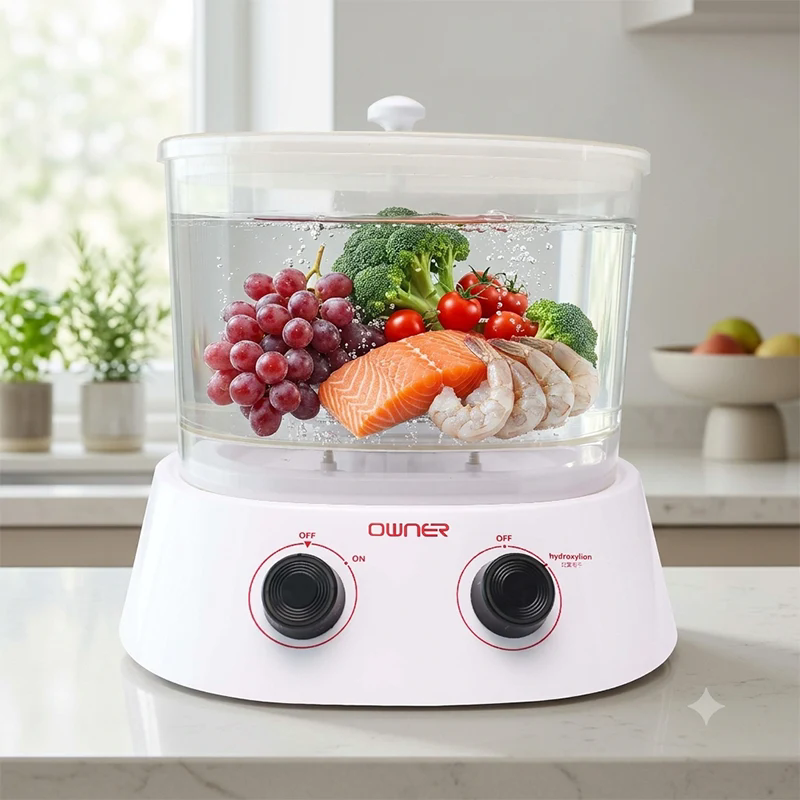
Slaughter processing factories, aquatic product export plants and central kitchen chain operators are facing two severe operational bottlenecks under increasingly strict global food safety supervision. Traditional manual soaking cleaning relies heavily on chemical disinfectants to remove parasites, residual dirt and harmful bacteria on meat and seafood raw materials. Long-term high chemical dosage not only raises daily raw material expenditure, but also leads to chemical residue exceeding standards, triggering large-scale product recalls and huge brand losses in EU and North American markets. Most single-function cleaning tanks cannot adapt to mixed production of livestock meat, shellfish and finfish, requiring separate cleaning equipment deployment and occupying massive workshop area. CN Owner’s all-in-one meat and Meat Seafood Cleaning Machine adopts water-based ozone disinfection technology combined with circulating bubble turbulent cleaning structure, realizing zero chemical auxiliary cleaning while adapting diversified raw material processing demands, fully complying with FDA and EU food contact equipment regulatory standards.
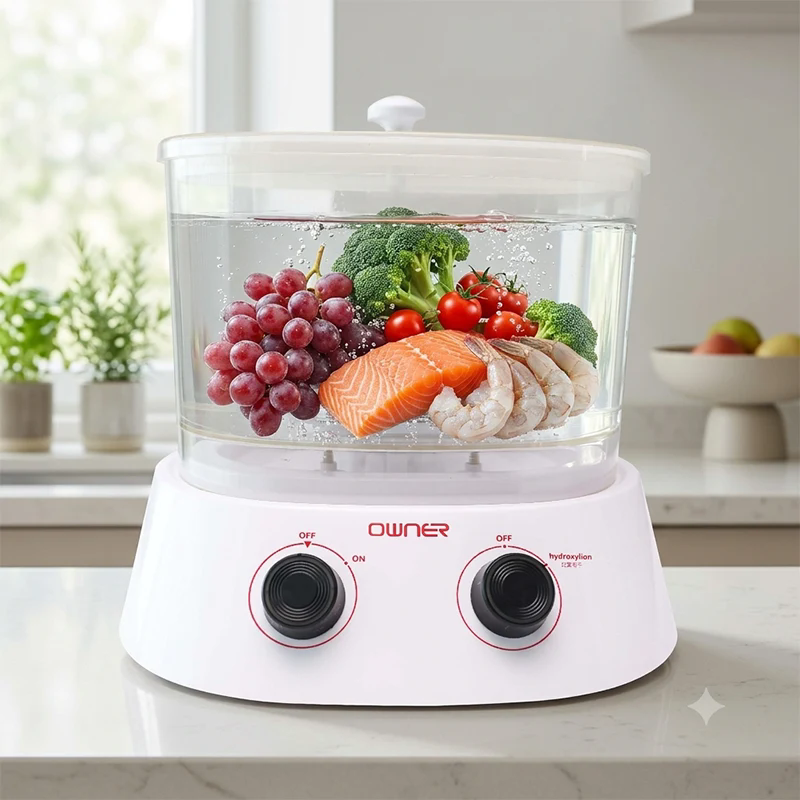
Conventional food cleaning procedures rely on chlorine-based disinfectants for sterilization; long-term continuous consumption brings stable monthly chemical procurement expenditure, and improper dosage will leave harmful residues on meat and seafood surfaces. This cleaning machine integrates built-in ozone generating components, instantly producing food-grade ozone water during equipment operation. Ozone achieves rapid decomposition of parasites, E. coli and salmonella without any residual substances after cleaning, completely eliminating the need for purchasing bottled disinfectants. For 24-hour continuous processing aquatic product factories, annual chemical procurement costs can be completely eliminated, greatly compressing overall raw material operating expenses.
Manual soaking and simple water tank static cleaning cannot reach the deep gaps of fish scales, shrimp shell joints and meat fascia. Hidden silt, blood stains and microbial colonies remain in these blind areas, failing HACCP factory inspection standards. The bottom bubbling structure of the equipment generates dense rolling water flow to form three-dimensional turbulence, continuously impacting the surface and hidden gaps of meat and seafood raw materials. Deep dirt and organic residues are fully stripped without artificial repeated scrubbing, lifting the one-time cleaning qualification rate of raw materials to over 99% and reducing repeated re-cleaning labor input for processing workshops.
Ordinary single-purpose cleaning tanks only match a single type of raw material; processing factories with mixed orders of pork, beef, shrimp and fish need to configure multiple independent cleaning pools, occupying valuable workshop production space and increasing equipment one-time investment pressure. This washing machine reserves three adjustable working modes inside the control panel, with independently adjustable bubble intensity and ozone concentration for livestock meat, hard-shell seafood and soft-bodied aquatic products respectively. Factories only need one unit to complete all raw material pre-cleaning work, avoiding redundant equipment layout and lowering early-stage workshop transformation capital occupation.
Low-cost cleaning equipment uses spliced iron plates with gap dead corners, which easily accumulate organic dirt after long-term contact with meat blood and seafood mucus, becoming breeding grounds for bacteria and failing NSF food equipment audits. The whole machine inner tank adopts integrated SUS304 stainless steel one-piece seamless welding molding, without internal dead corners for dirt retention. All contact materials pass EU EC 1935/2004 food contact safety testing and FDA material certification, allowing food processing enterprises to smoothly pass third-party factory audits required by overseas supermarket buyers without supplementary material testing fees.
Traditional open cleaning tanks discharge all cleaning wastewater in real time, bringing huge tap water consumption and high sewage treatment fees for large-scale processing plants. This machine is equipped with an internal multi-stage filter circulation system; cleaning wastewater passes through sediment, activated carbon and fine filter layers for cyclic reuse after impurity separation. The water recycling rate exceeds 85%, effectively cutting daily water resource consumption and lowering the sewage treatment cost burden of food processing enterprises, conforming to global sustainable production green factory assessment indicators.
Simple open cleaning pools will produce raw material cross-contamination risks when processing different batches of meat and seafood. Dirty water from heavily contaminated shellfish will flow back to fresh meat raw materials, triggering overall batch microbial exceeding standards. The equipment adopts a height-lifting overflow separation structure; dirt-laden sewage automatically overflows and is discharged out of the tank without backflow, isolating different batches of raw material cleaning areas. The built-in timing self-cleaning program automatically completes tank disinfection during shift handover, eliminating hidden dangers of cross-contamination between different product batches and stabilizing finished product food safety indicators.