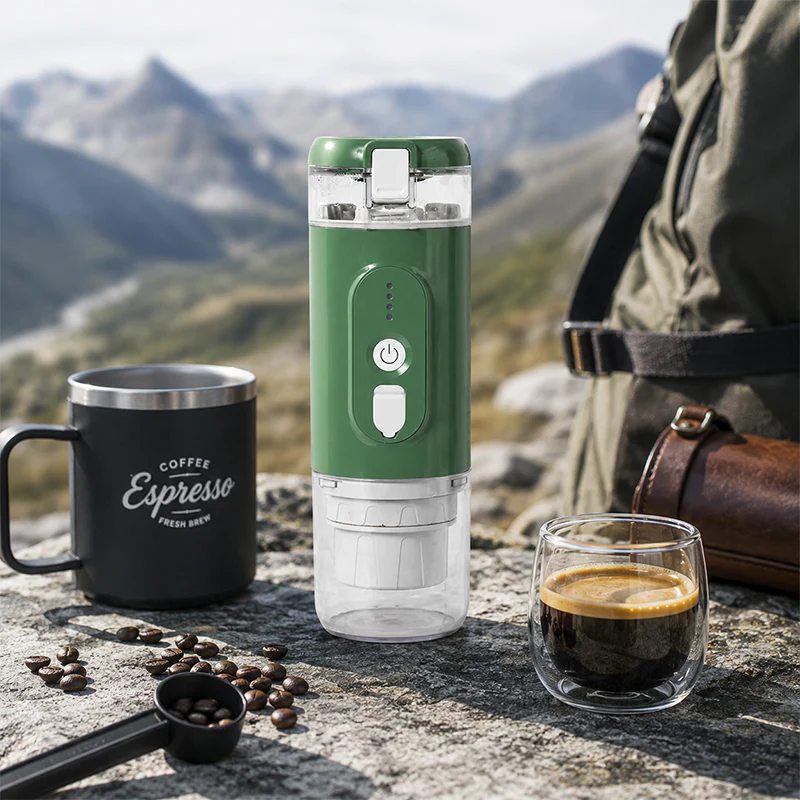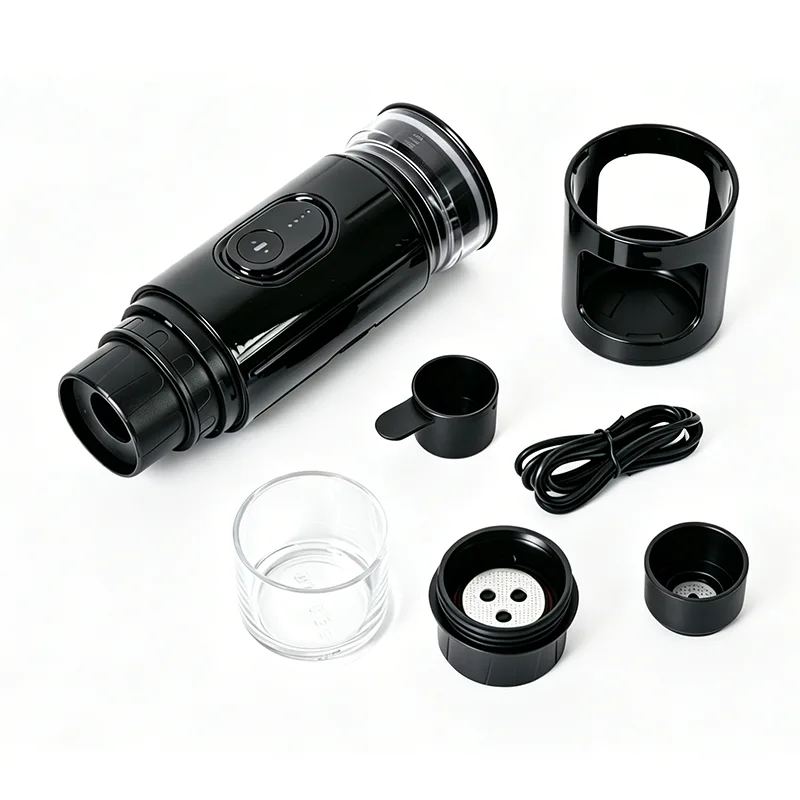
A coffee maker is more than a kitchen appliance—it is a daily companion that shapes how millions of people start their mornings, manage energy throughout the day, and enjoy personalized brewing experiences at home or in the office. This article explores the complete world of coffee makers, from how they work to how they solve common brewing frustrations such as inconsistent taste, time consumption, and maintenance difficulty. You will also learn how to choose the right machine, avoid common mistakes, and improve the flavor of your coffee through simple techniques. Whether you are a beginner or a coffee enthusiast, this guide is designed to help you make informed decisions and elevate your daily coffee ritual.
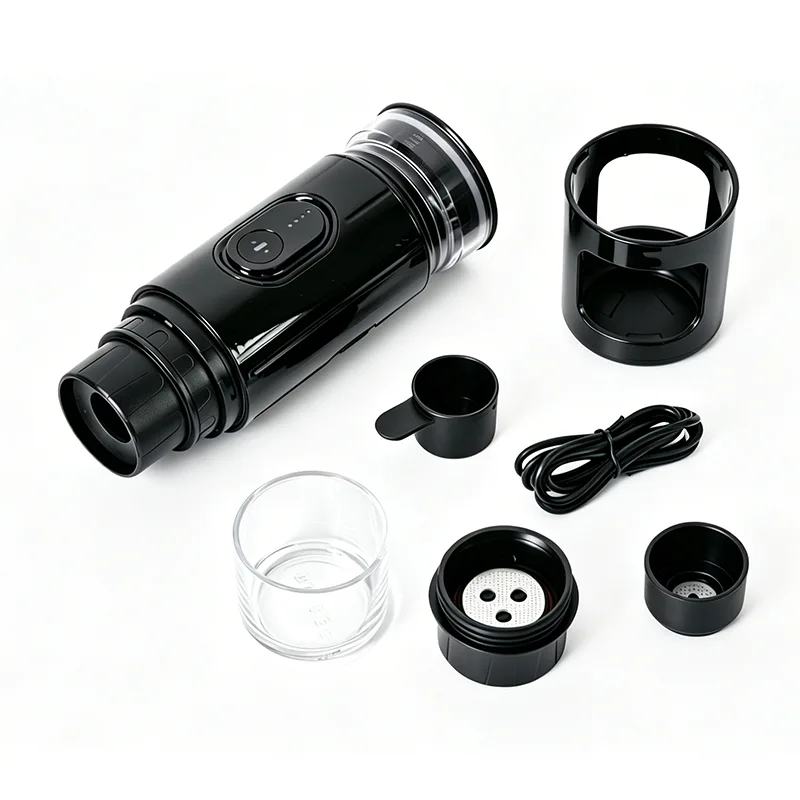
Coffee makers come in many forms, each designed to meet different lifestyle needs and taste preferences. Understanding these types helps users avoid frustration and choose a machine that fits their routine rather than complicating it.
1. Drip Coffee Makers
These are the most common household machines. They work by heating water and slowly dripping it through ground coffee.
2. Espresso Machines
Designed for high-pressure extraction, espresso machines deliver rich, concentrated coffee shots used in lattes and cappuccinos.
3. Capsule or Pod Machines
These machines prioritize convenience. Users insert a pre-packaged coffee pod, and the machine handles the rest.
4. French Press and Manual Brewers
While not electric, they are still popular coffee-making tools that offer full control over brewing time and flavor strength.
| Type | Convenience | Taste Control | Maintenance |
|---|---|---|---|
| Drip Coffee Maker | High | Medium | Easy |
| Espresso Machine | Medium | High | Complex |
| Pod Machine | Very High | Low | Very Easy |
| French Press | Low | Very High | Medium |
Although coffee makers vary in design, the core brewing principle remains similar: water extraction. The machine heats water to an optimal temperature (typically between 90°C and 96°C), passes it through coffee grounds, and extracts flavor compounds into a serving carafe or cup.
Advanced machines include programmable settings, temperature control systems, and pressure-based extraction mechanisms. These technologies improve consistency and reduce human error, ensuring that each cup tastes similar to the last.
Modern coffee makers are designed not just for brewing coffee but for solving everyday frustrations users face.
Common Pain Points and Solutions:
These innovations significantly improve the user experience, making coffee preparation more predictable and enjoyable.
Selecting the right coffee maker depends on lifestyle, taste preference, and budget. Below is a structured guide to help you decide.
| User Type | Recommended Coffee Maker | Reason |
|---|---|---|
| Busy Professionals | Pod Machine | Fast and low maintenance |
| Home Coffee Lovers | Drip Coffee Maker | Balanced taste and capacity |
| Barista Enthusiasts | Espresso Machine | Full control over brewing |
| Minimalists | French Press | Simple and manual control |
Even high-quality coffee makers may encounter operational issues. Understanding these problems helps extend the life of your machine.
Proper maintenance ensures consistent coffee quality and extends machine lifespan. Neglecting cleaning can lead to bitter taste and mechanical issues.
Daily Maintenance:
Weekly Maintenance:
Monthly Maintenance:
Improving coffee flavor does not always require expensive equipment. Small adjustments can make a noticeable difference.
Modern coffee makers are increasingly designed with energy-saving features such as automatic shut-off and low-power standby modes. These features help reduce electricity consumption while maintaining performance.
Sustainable coffee brewing also involves using reusable filters, reducing plastic pods, and choosing machines built for long-term durability.
| Feature | Manual Brewing | Automatic Coffee Maker |
|---|---|---|
| Convenience | Low | High |
| Taste Control | Very High | Medium |
| Time Requirement | High | Low |
| Consistency | Variable | High |
Before purchasing a coffee maker, consider the following checklist to ensure long-term satisfaction.
1. How long does a coffee maker last?
A well-maintained coffee maker typically lasts between 3 to 8 years depending on usage and build quality.
2. Can I use any type of coffee beans?
Yes, but grind size should match the brewing method for best results.
3. Why does my coffee taste bitter?
Over-extraction, poor cleaning, or overly fine grind size may cause bitterness.
4. How often should I clean my coffee maker?
Daily rinsing and monthly descaling are recommended for optimal performance.
Coffee makers continue to evolve, offering users more convenience, precision, and customization than ever before. Whether you prefer a strong espresso or a smooth drip brew, the right machine can significantly improve your daily coffee experience.
At the forefront of coffee appliance innovation, Ningbo Fankoo Electrical Appliance Co.,Ltd. is dedicated to delivering reliable and efficient coffee solutions designed for modern households and commercial environments.
If you are looking for high-quality coffee machines, professional customization, or bulk supply solutions, we warmly invite you to contact us to explore how we can support your business and coffee product needs.