News

How Does a Food Cleaning Machine Improve Food Processing Efficiency?

2026-09-02 0 Leave me a message


Cleaning is one of the most important stages in commercial food processing. Vegetables, fruits, root crops, seafood, grains, and other food ingredients can carry soil, dust, residues, microorganisms, and foreign particles before they enter subsequent processing stages. Manual cleaning may work for small quantities, but it becomes increasingly difficult to maintain consistent results as production volume grows.

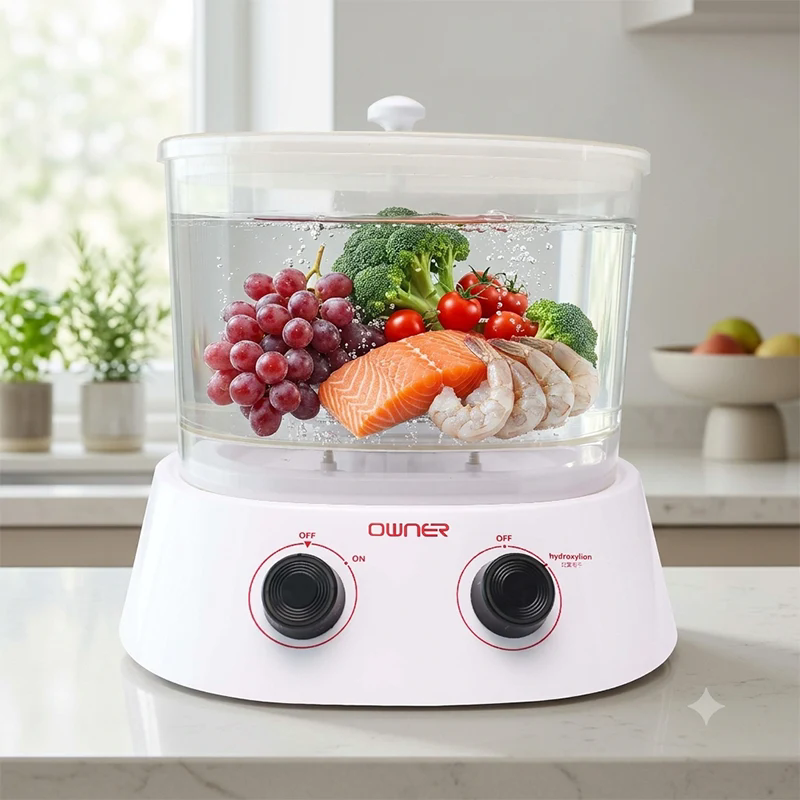
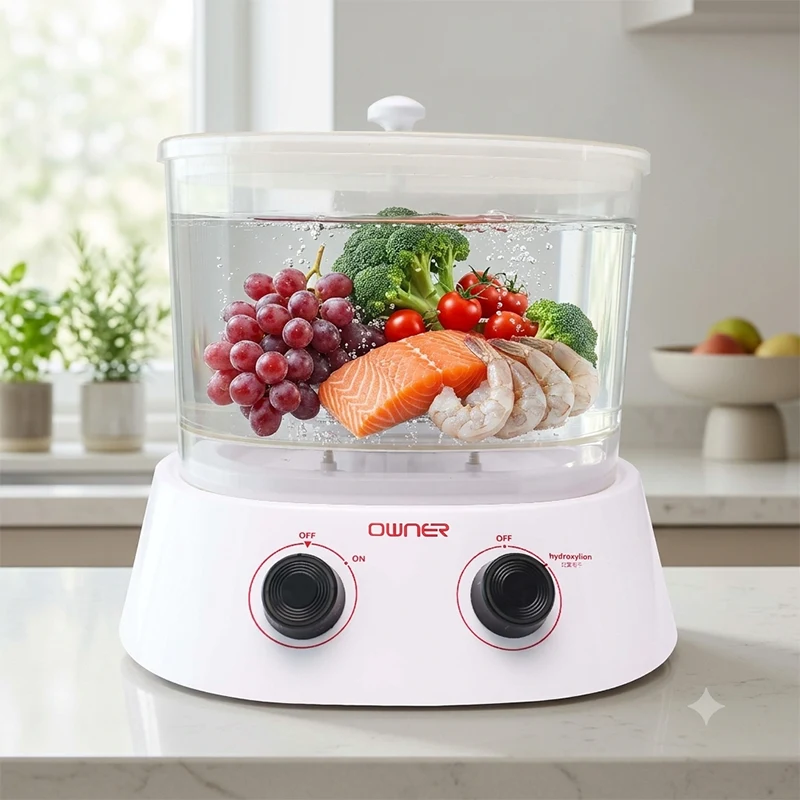
A Food Cleaning Machine provides a more controlled approach by combining mechanical movement, water, brushes, spray systems, air, or other cleaning methods according to the characteristics of the food product. The right equipment can help processors improve cleaning consistency, reduce repetitive labor, shorten processing time, and support better hygiene management.

This guide explains how food cleaning machines work, which problems they address, what factors should be considered before purchase, and how manufacturers can integrate cleaning equipment into a reliable processing line.

 Food Cleaning Machine


Article Outline

The article follows a practical path from the cleaning challenges faced by food processors to the operating principles, applications, purchasing considerations, maintenance requirements, and common mistakes associated with modern food cleaning equipment.

  • Understand why cleaning directly affects food quality and production efficiency.
  • Learn how different mechanical and water-based cleaning systems operate.
  • Identify the production problems that automated cleaning can address.
  • Evaluate equipment according to food type, capacity, hygiene requirements, and factory layout.
  • Understand how proper maintenance helps maintain stable cleaning performance.
◆ ───────────────── ◆

Why Is Food Cleaning So Important?

Food cleaning is more than a simple preparation step. It is part of the overall process control system of a food processing operation. Raw ingredients can arrive with soil, sand, plant debris, dust, surface residues, and other unwanted materials. If these contaminants are not adequately removed, they may interfere with cutting, peeling, cooking, packaging, or other downstream operations.

Cleaning also needs to be consistent. When workers clean products manually, results can vary according to workload, experience, fatigue, water pressure, cleaning time, and product quantity. These variations can become difficult to control in high-volume production.

A practical principle:

The purpose of a food cleaning machine is not simply to make food “look cleaner.” It is to create a repeatable cleaning process that fits the characteristics of the raw material and the requirements of the production line.

For processors, this can mean fewer interruptions, better workflow control, lower dependence on repetitive manual work, and more predictable preparation of raw materials.

◆ ───────────────── ◆

How Does a Food Cleaning Machine Work?

The operating principle depends on the machine design and the type of food being processed. Some systems use water sprays, while others combine water with rotating brushes, rollers, drums, vibration, air, or controlled mechanical movement.

In a typical cleaning process, raw food enters the machine through an inlet or feeding system. The product is then exposed to the cleaning mechanism for a controlled period. Dirt and surface residues are loosened and removed, while the cleaned product moves toward the discharge section.

Cleaning Element Typical Function Important Consideration
Water Spray Washes away surface dirt and residues Water pressure and consumption
Rotating Brushes Provides mechanical surface cleaning Brush material and product sensitivity
Rotating Drum or Rollers Moves and exposes products to the cleaning action Product size and handling characteristics
Air or Blowing System Helps remove loose particles or surface moisture Air volume and product condition

The best system is determined by the raw material rather than by machine appearance alone. A delicate leafy vegetable may require gentler handling than a hard root crop. This is why cleaning equipment should be evaluated as part of the complete production process.

◆ ───────────────── ◆

Which Processing Problems Can It Solve?

Many food processors consider automated cleaning equipment when their existing process begins to create bottlenecks. The following problems are particularly common as production volume increases.

  1. Inconsistent cleaning results: Different operators may use different cleaning techniques, creating variation between batches.
  2. High labor requirements: Repetitive washing and scrubbing can require significant manpower, particularly during peak production periods.
  3. Slow preparation: Manual cleaning can become a bottleneck when large quantities of raw materials need to be processed quickly.
  4. Product handling difficulties: Excessive manual handling increases the number of times raw materials must be moved through the facility.
  5. Uncontrolled water usage: Manual washing can make it difficult to monitor and standardize water consumption.
  6. Limited scalability: A cleaning process that works at a small production volume may become impractical as orders increase.

A properly configured machine addresses these challenges by creating a more structured cleaning stage. However, equipment should complement good sanitation procedures rather than replace them.

◆ ───────────────── ◆

Where Are Food Cleaning Machines Used?

Food cleaning machines can be found in a wide range of food processing environments. Their configuration varies according to the physical properties of the product and the desired production capacity.

Vegetable Processing

Used for washing leafy vegetables, root vegetables, tubers, and other fresh produce before cutting or further processing.

Fruit Processing

Cleaning systems can help remove surface dirt and residues before sorting, peeling, cutting, juicing, or packaging.

Seafood Processing

Specialized washing systems may be integrated into seafood preparation processes where controlled handling is important.

Food Ingredient Preparation

Cleaning equipment can prepare raw ingredients for subsequent cutting, mixing, cooking, drying, or packaging operations.

Before selecting a machine, processors should identify the exact food products to be cleaned, their size range, surface characteristics, expected throughput, and the level of mechanical handling they can tolerate.

◆ ───────────────── ◆

What Are the Main Benefits?

Operational Advantages

A well-designed food cleaning machine can provide several practical advantages throughout a processing operation.

  • More consistent cleaning: Machine parameters can be controlled more consistently than purely manual operations.
  • Improved production flow: Continuous or semi-continuous cleaning can reduce interruptions between processing stages.
  • Reduced repetitive labor: Workers can focus on supervision, inspection, quality control, and other value-added activities.
  • Better capacity management: Automated cleaning makes it easier to accommodate larger production volumes.
  • Controlled product handling: Proper equipment can reduce unnecessary movement of raw materials.
  • Potentially lower operating costs: Labor, time, water, and production losses can be managed more effectively when the system is correctly matched to the application.

The Key Is Proper Matching

A larger or more powerful machine is not automatically a better machine. Excessive mechanical action can damage delicate products, while insufficient cleaning action may fail to remove stubborn contamination. Effective equipment selection starts with the product and production requirements.

◆ ───────────────── ◆

What Should Buyers Consider Before Purchasing?

Choosing a food cleaning machine based only on price or advertised capacity can create problems later. Buyers should evaluate the entire application before making a purchasing decision.

Factor Questions to Ask
Food Type Is the product hard, soft, leafy, irregular, fragile, sticky, or highly contaminated?
Capacity How many kilograms or tons need to be processed per hour?
Cleaning Method Does the application require spraying, brushing, soaking, agitation, or a combination?
Material Are food-contact surfaces made from appropriate corrosion-resistant materials?
Cleaning & Maintenance Can the machine be drained, cleaned, inspected, and maintained efficiently?
Factory Layout Does the equipment fit the available space and connect properly with upstream and downstream machines?

It is also useful to provide the manufacturer with representative product samples or detailed information about the food material. A supplier that understands the application can recommend a more appropriate cleaning configuration and help avoid unnecessary equipment investment.

◆ ───────────────── ◆

Manual Cleaning vs. Machine Cleaning

Manual cleaning remains useful in certain small-scale operations and for products requiring highly selective handling. However, machine cleaning becomes increasingly valuable when throughput, consistency, and labor efficiency become priorities.

Consideration Manual Cleaning Machine Cleaning
Labor Dependence Generally high Can reduce repetitive work
Consistency Depends on operators More controllable
Large-Volume Processing Can be difficult to scale Better suited to continuous production
Initial Investment Lower equipment cost Higher initial investment
Process Control More difficult to standardize Parameters can be controlled

◆ ───────────────── ◆

How Can Cleaning Performance Be Maintained?

Even a well-designed machine requires proper maintenance. Food residues, moisture, minerals, and organic material can accumulate if equipment is not cleaned and inspected appropriately after operation.

  1. Follow the manufacturer's cleaning and sanitation instructions.
  2. Inspect food-contact surfaces regularly.
  3. Check brushes, rollers, nozzles, seals, belts, and other wear components.
  4. Keep drainage pathways clear.
  5. Monitor abnormal vibration, noise, leakage, or changes in cleaning performance.
  6. Replace worn components before they affect product handling or machine performance.
  7. Keep maintenance and cleaning records where required by the facility's quality system.

Routine maintenance is not simply about extending equipment life. It also helps keep the cleaning process predictable and reduces the risk of unexpected production downtime.

◆ ───────────────── ◆

What Common Mistakes Should Be Avoided?

Several purchasing and operating mistakes can reduce the value of a food cleaning machine. Understanding them before installation can save both time and money.

1. Focusing only on machine capacity

A machine's stated throughput does not necessarily represent the actual output for every food product. Product size, moisture, contamination level, feeding method, and cleaning requirements can influence real production performance.

2. Ignoring product damage

Increasing mechanical force may improve the removal of certain contaminants but can also damage delicate food. Cleaning intensity should match product characteristics.

3. Forgetting factory integration

A cleaning machine should work with the rest of the processing line. Inlet height, discharge position, conveyor direction, drainage, utilities, and available floor space should all be considered.

4. Treating equipment as a substitute for sanitation management

Automated cleaning improves the physical cleaning process, but it does not eliminate the need for appropriate sanitation programs, monitoring, staff training, and facility hygiene controls.

◆ ───────────────── ◆

Frequently Asked Questions

What is a Food Cleaning Machine?

A Food Cleaning Machine is processing equipment designed to remove soil, dust, residues, and other unwanted materials from food ingredients before subsequent processing. Depending on the application, it may use water spraying, brushing, agitation, rotating components, air, or a combination of cleaning methods.

Can one machine clean different types of food?

Some machines can handle several related food products, but compatibility depends on product size, shape, hardness, surface characteristics, and required cleaning intensity. A machine designed for one application may require adjustments before processing another product.

Does a food cleaning machine replace manual workers?

Usually, the goal is to reduce repetitive manual cleaning rather than eliminate all human involvement. Operators may still be required for feeding, monitoring, inspection, sanitation, maintenance, and quality control.

How do I determine the required machine capacity?

Start with your actual production requirement in kilograms or tons per hour. Then consider peak production, raw material characteristics, feeding conditions, cleaning time, and downstream equipment capacity. It is generally better to evaluate the complete processing line rather than selecting capacity in isolation.

What material should food-contact parts use?

Food-contact components should be made from materials appropriate for the intended food-processing environment and compatible with the facility's cleaning and sanitation practices. Corrosion resistance, cleanability, durability, and applicable local requirements should all be considered.

How often should a food cleaning machine be maintained?

Routine cleaning should be performed according to the equipment manufacturer's instructions and the processor's sanitation procedures. Inspection and preventive maintenance schedules should also account for operating hours, product type, water quality, and wear on components.

Why work with an experienced food processing equipment manufacturer?

An experienced manufacturer can help evaluate the product characteristics, production capacity, cleaning requirements, machine configuration, and integration needs. This application-based approach can reduce the risk of purchasing equipment that does not fit the actual production process.

◆ ───────────────── ◆

Final Thoughts

A modern Food Cleaning Machine can become an important part of an efficient food processing operation. By creating a more consistent cleaning stage, it can help processors address common challenges associated with labor intensity, production bottlenecks, inconsistent results, and large-volume raw material handling.

However, successful equipment selection starts with understanding the food product and the production environment. Capacity, cleaning method, product sensitivity, material construction, water management, maintenance access, factory layout, and line integration all influence the final result.

For food processors planning to automate or upgrade their cleaning process, the best approach is to discuss the application with an experienced equipment supplier and evaluate the machine according to actual production conditions rather than relying on specifications alone.

Build a More Efficient Food Cleaning Process

Ningbo Fankoo Electrical Appliance Co.,Ltd. focuses on providing practical equipment solutions for food processing applications. If you are looking for a suitable Food Cleaning Machine for your production line, share your food type, processing capacity, cleaning requirements, and factory conditions with our team.

Contact us to discuss your application and find a food cleaning solution designed around your actual processing needs.

Related News
Leave me a message
X
We use cookies to offer you a better browsing experience, analyze site traffic and personalize content. By using this site, you agree to our use of cookies.Privacy Policy