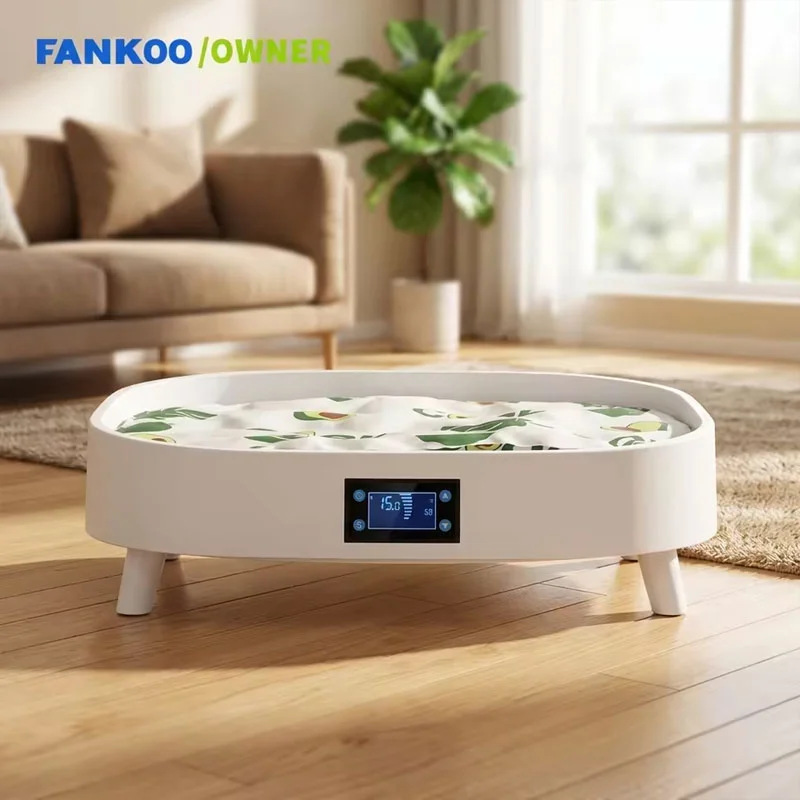
A bed for pet is more than a soft place to sleep. The right bed can support healthy rest, reduce pressure on joints, provide a secure personal space, and make everyday pet care easier. However, choosing the right product can be challenging because pets differ greatly in size, sleeping habits, age, activity level, and comfort preferences. This guide explains the main factors to consider when selecting a bed for pet, including size, materials, support, cleaning, durability, design, and placement. It also provides practical buying tips and answers common questions so pet owners and buyers can make a more confident decision.

Table of Contents
- Why a Bed For Pet Matters
- Common Types of Pet Beds
- How to Choose the Correct Size
- Materials and Construction to Consider
- Comfort, Support, and Sleeping Habits
- Cleaning and Daily Maintenance
- Durability and Long-Term Value
- Where to Place a Pet Bed
- Practical Buying Checklist
- Common Buying Mistakes to Avoid
- Frequently Asked Questions
- Final Thoughts
Why a Bed For Pet Matters
Pets spend a considerable part of their lives resting. A suitable bed for pet gives them a dedicated place where they can sleep, relax, and feel secure. Instead of repeatedly resting on hard floors, sofas, or unsuitable household surfaces, pets can have a space designed around their physical and behavioral needs.
Comfort is one of the most obvious benefits, but it is not the only consideration. A well-designed bed can help distribute body weight more evenly and provide additional cushioning around areas that experience pressure during rest. This becomes especially relevant for senior pets, large breeds, or animals that spend long periods sleeping.
A dedicated sleeping surface can create a consistent and comfortable resting environment.
A pet bed can give animals a familiar place where they can retreat when they want quiet time.
Cushioning separates pets from cold, hard, or uneven flooring.
A washable pet bed can simplify routine cleaning compared with repeatedly cleaning household furniture.
Common Types of Pet Beds
Different pets prefer different sleeping environments. Understanding the major bed styles can make the selection process much easier.
| Bed Type | Main Features | Suitable For |
|---|---|---|
| Flat Mat Bed | Simple, lightweight, and easy to move | Pets that prefer stretching out |
| Bolster Bed | Raised edges provide a sense of enclosure | Pets that like resting their heads against a surface |
| Orthopedic Bed | Supportive cushioning with pressure-distributing properties | Senior, large, or less active pets |
| Covered Bed | Creates a sheltered sleeping area | Pets that prefer privacy and enclosed spaces |
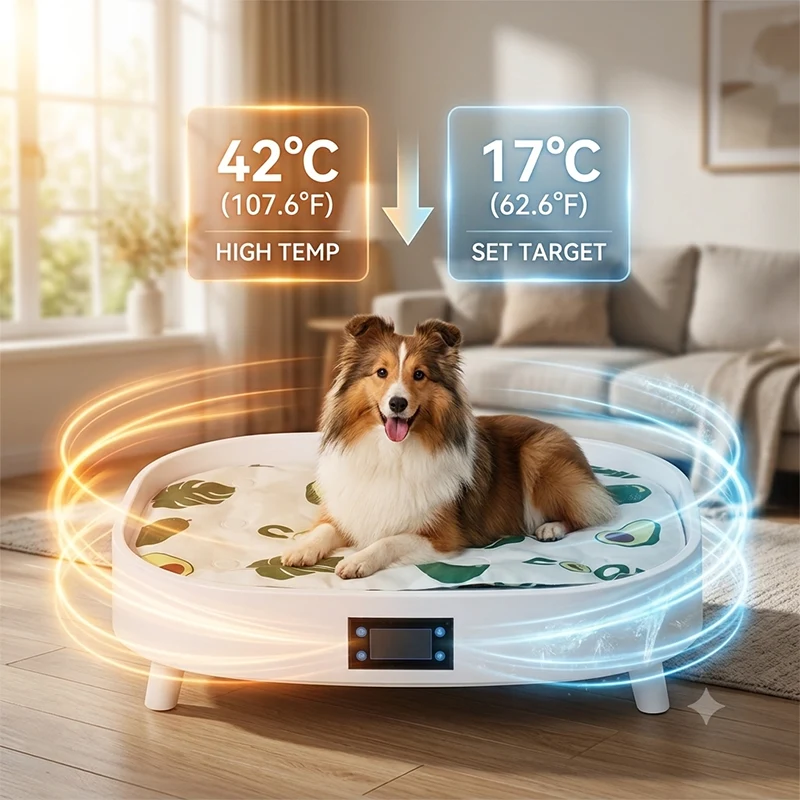
| Cooling Bed | Designed to help pets stay more comfortable in warm conditions | Pets living in hot environments |
| Elevated Bed | Raised construction improves airflow underneath | Outdoor use and warm environments |
There is no universal winner among these designs. A pet that sleeps curled up may appreciate raised edges, while a pet that likes to stretch may prefer a large flat surface. Observing sleeping behavior is often more useful than choosing a product based only on appearance.
How to Choose the Correct Size
Size is one of the most common reasons a pet bed fails to meet expectations. A bed that looks attractive in a product photo may be too small once the pet lies down naturally.
Measure the pet while it is relaxed in its typical sleeping position. For pets that frequently stretch, use the longer stretched-out measurement as the starting point. Add enough extra space for the animal to change positions without immediately reaching the edge.
- Measure the pet from nose to the base of the tail.
- Measure the width of the body when the pet is relaxed.
- Consider whether the pet sleeps curled up or fully stretched out.
- Add a reasonable comfort margin instead of selecting a bed that exactly matches the measurements.
- Check the manufacturer's internal sleeping area, not only the outside dimensions.
Puppies and young pets may also require additional consideration because their body size can change quickly. Buyers should think about expected growth while still ensuring that the current sleeping area feels comfortable and secure.
Materials and Construction to Consider
Material quality affects comfort, durability, cleaning, and appearance. A soft surface is desirable, but softness alone does not guarantee a good bed for pet.
- Cover fabric: Look for comfortable, breathable, and sufficiently durable fabrics appropriate for everyday use.
- Filling: The filling should provide adequate cushioning while maintaining its shape under repeated use.
- Base: A non-slip or stable base can help prevent unwanted movement on smooth floors.
- Seams: Strong stitching is important for products that will experience frequent washing and daily movement.
- Zippers: Removable covers with practical closures can make cleaning much easier.
- Edge construction: Bolsters should maintain their shape if they are intended to provide head or body support.
For commercial buyers, retailers, and distributors, construction consistency is particularly important. Product quality should remain stable across production batches so customers receive predictable performance.
Comfort, Support, and Sleeping Habits
Every pet has its own preferred sleeping style. Some curl tightly into a small space, while others lie on their side with their legs fully extended. Some enjoy firm surfaces, whereas others prefer deeper cushioning.
Observe the pet for several days before purchasing. If it regularly rests with its head elevated, a bolster may be useful. If it repeatedly chooses a cool floor instead of soft furniture, a breathable or cooling-oriented design may be more appropriate. If it avoids raised edges, a flat mat could be a better fit.
Older or heavier pets may benefit from a supportive sleeping surface that does not compress excessively under body weight. However, a pet bed should never be treated as a replacement for professional veterinary advice when an animal has pain, mobility problems, or other health concerns.
Cleaning and Daily Maintenance
A beautiful pet bed can quickly become inconvenient if it is difficult to clean. Pet hair, dust, outdoor debris, moisture, and everyday odors can accumulate over time, making maintenance a major part of product satisfaction.
When evaluating a bed, check whether the cover can be removed and whether the material is suitable for the recommended cleaning method. Buyers should always follow the manufacturer's washing and drying instructions to reduce the risk of shrinkage, deformation, or material damage.
- Remove loose hair and debris regularly.
- Wash removable covers according to the care instructions.
- Allow washable components to dry completely before use.
- Inspect seams, zippers, and filling periodically.
- Replace the bed when structural deterioration affects comfort or safety.
Easy maintenance is particularly valuable for households with multiple pets and for professional environments such as pet hotels, grooming facilities, boarding centers, and veterinary-related spaces.
Durability and Long-Term Value
Price should be evaluated together with construction quality and expected service life. A low-cost bed that quickly loses its shape may ultimately cost more than a well-made product that remains comfortable for a longer period.
Durability depends on several factors, including fabric strength, filling resilience, stitching quality, zipper construction, base stability, and how the bed is used. Pets that scratch, chew, dig, or frequently move around may place greater demands on the product than calm indoor pets.
| Evaluation Area | What to Look For | Why It Matters |
|---|---|---|
| Fabric | Durable and comfortable surface | Influences daily comfort and wear resistance |
| Filling | Good resilience and appropriate density | Helps maintain cushioning over time |
| Stitching | Consistent, reinforced seams | Reduces premature structural failure |
| Base | Stable and suitable for the floor type | Improves overall usability |
| Cover | Removable and practical to clean | Supports long-term hygiene |
Where to Place a Pet Bed
Even an excellent bed may be ignored if it is placed in an unsuitable location. Pets generally respond well to spaces that offer comfort, predictable surroundings, and an appropriate level of activity.
- Place the bed away from strong drafts or constantly changing temperatures.
- Avoid locations with excessive foot traffic if the pet prefers quiet areas.
- Keep the sleeping area away from unnecessary moisture.
- Choose a location that is convenient for routine cleaning.
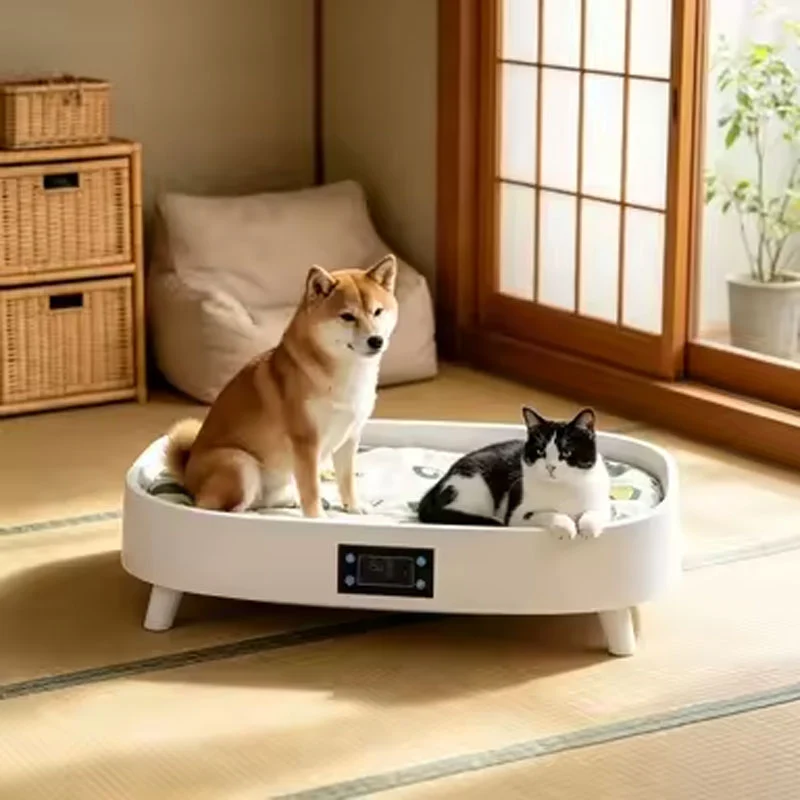
- For multiple pets, consider whether each animal needs its own resting space.
Some households benefit from having more than one bed. For example, one can be positioned in a quiet sleeping area while another is placed near the family living space. This allows pets to rest without completely separating themselves from daily household activity.
Practical Buying Checklist
Before purchasing a bed for pet, use the following checklist to compare products objectively:
- Confirm the pet's current weight and body measurements.
- Identify the pet's most common sleeping position.
- Choose a design suitable for the home or outdoor environment.
- Check the internal sleeping dimensions.
- Evaluate the quality of the cover and filling.
- Look for strong stitching and reliable construction.
- Check whether the cover is removable.
- Review cleaning and care instructions.
- Consider whether the base will move on the intended floor.
- Think about future growth if buying for a young pet.
- Compare durability and practical value rather than price alone.
For wholesale and business buyers, additional factors may include packaging efficiency, minimum order quantities, customization capability, color and size availability, production consistency, quality control, and delivery requirements.
Common Buying Mistakes to Avoid
Choosing a pet bed based only on appearance is one of the easiest mistakes to make. A stylish product may not provide enough space, support, or practical cleaning options.
- Choosing by appearance alone: Design matters, but function should come first.
- Ignoring actual dimensions: Product photos can make beds appear larger than they really are.
- Buying an unsuitable filling: Very soft does not always mean comfortable or supportive.
- Forgetting maintenance: A non-removable cover can make routine cleaning inconvenient.
- Ignoring the environment: Indoor and outdoor applications may require different constructions.
- Overlooking pet behavior: Scratching, chewing, digging, and nesting habits can strongly affect product selection.
A thoughtful purchase considers the pet, the owner, and the environment together. This approach reduces the likelihood of purchasing a product that looks good but does not perform well in everyday use.
Frequently Asked Questions
The sleeping area should provide enough room for the pet to lie down naturally and change positions. Measure the animal in its typical sleeping position and allow additional space for comfort.
Models with removable, washable covers are generally easier to maintain. A practical design should also allow the filling and base to be protected from unnecessary moisture.
Not necessarily. Comfort depends on the individual pet. Some animals prefer firmer surfaces, while others benefit from deeper cushioning. The pet's age, size, sleeping position, and habits should all be considered.
It can be used when the dimensions, support, and hygiene requirements are appropriate for all pets. However, households with multiple animals may find separate resting spaces more practical.
Cleaning frequency depends on the pet and environment. Beds used daily, by multiple pets, or in outdoor settings may require more frequent cleaning than beds used occasionally by a single indoor pet.
Wholesale buyers should evaluate product consistency, materials, size options, customization, packaging, quality control, production capacity, lead time, and after-sales support in addition to unit price.
Final Thoughts: Building a Better Resting Space
Choosing a bed for pet is ultimately about understanding how an animal lives and rests. Size, materials, support, cleanliness, durability, and placement all contribute to the final experience. The most suitable product balances comfort for the pet with convenience for the owner.
For manufacturers, distributors, retailers, and pet product buyers, product quality is equally important. Reliable construction, thoughtful design, practical materials, and consistent manufacturing can help create pet beds that deliver value beyond their initial appearance.
Ningbo Fankoo Electrical Appliance Co.,Ltd. focuses on practical product development and manufacturing solutions, with attention to product functionality, quality, and customer requirements. For businesses looking to develop or source pet-related products, working with an experienced manufacturing partner can make product selection, customization, and purchasing more efficient.
Whether you are sourcing products for retail, distribution, e-commerce, or a customized project, the right manufacturing partner can help you evaluate materials, designs, specifications, packaging, and production requirements more efficiently.
Contact us to discuss your product requirements, customization needs, and sourcing plans with Ningbo Fankoo Electrical Appliance Co.,Ltd.